News | 08/27/26
What It Means to Be Neighbors
Our promise to our communities & common questions about data centers answered
Our promise to our communities & common questions about data centers answered


Questions about Data Centers
Have some questions about data centers? Click here to learn more!
The Community Code
For more than 50 years, we’ve earned our reputation the old-fashioned way: not just by building facilities, but by investing in people and strengthening communities. We believe the most durable projects are built on transparency, respect for local priorities and accountability that lasts.
Transparent
From the start, we engage directly with neighbors, local officials, and stakeholders and remain accessible throughout the life of the project. As information becomes available, we share clear facts and plans on power and water use, construction activity, environmental measures and operational standards.
Accountable
We pay our way, fully and transparently. Sabey funds dedicated interconnection and customer-specific upgrades under filed tariffs or commission-approved contracts, with regulatory oversight. We help ensure costs are not shifted to families.
Efficient & Water-Smart
We design highly efficient buildings and infrastructure to minimize overall electrical use. Our current air-first hybrid cooling design uses little to no water in normal operation, prioritizes non-potable sources and does not discharge toxic wastewater.
Clean, Dark & Quiet
We run on utility power and operate backup generators only for emergencies and required testing, under strict air permits and controls. We design with our neighbors in mind through careful equipment siting, acoustic enclosures and predictive modeling, and we use full-cutoff, shielded exterior lighting to minimize spill.
Opportunity-Focused
We hire locally and build long-term career pathways. We are a federally recognized Veterans-First employer, and we partner with local schools, community colleges and workforce programs to prepare people for skilled, credentialed trades and data center careers.
Uplifting & Enduring
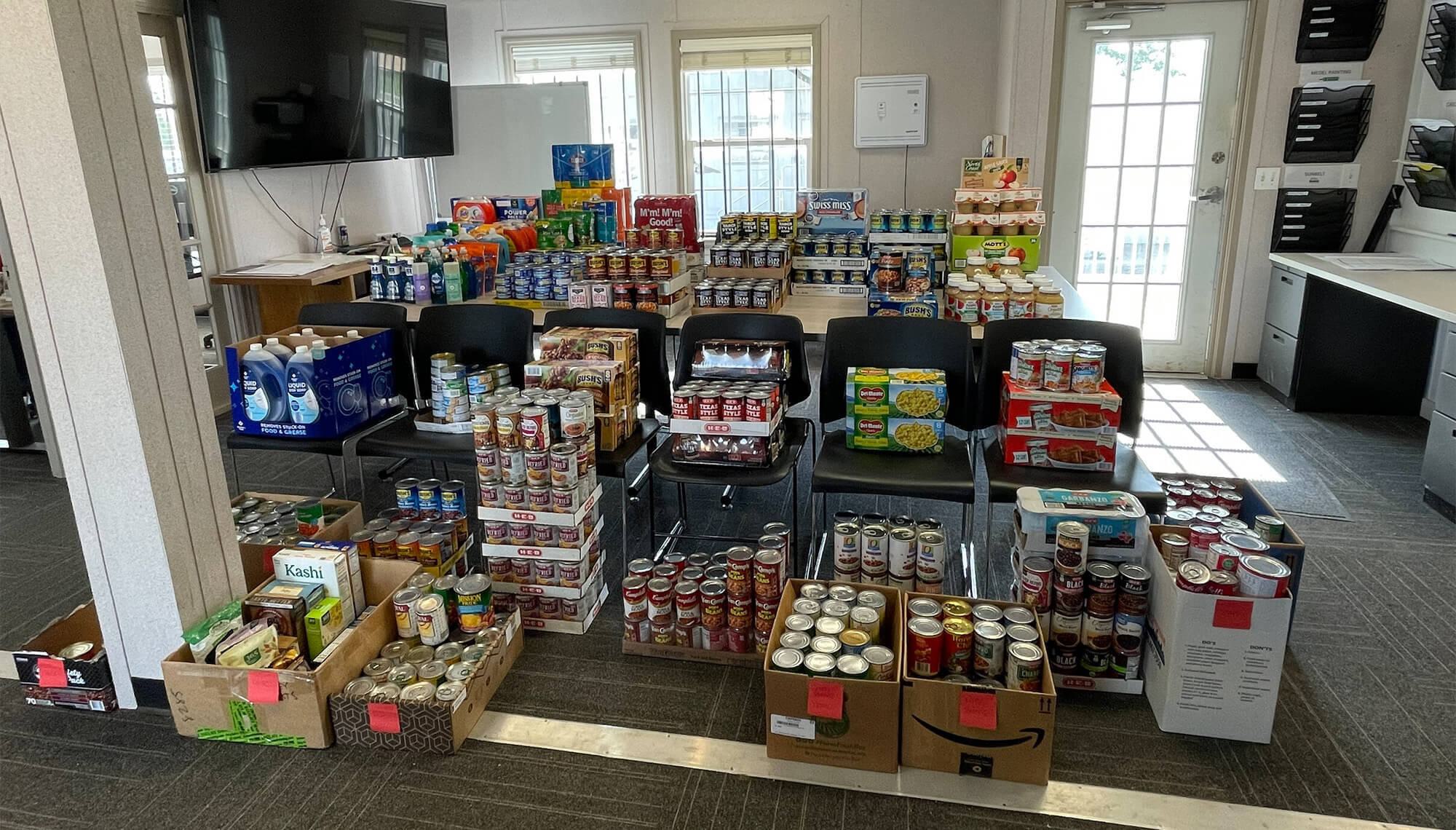
Through Sabey Serves, our community investment fund and employee volunteer program, we give back where we live and work. We support nonprofits, contribute volunteer time and focus on local priorities such as environmental stewardship, education, workforce readiness and essential services.
Separating Facts from Fiction
Data Center FAQs
What is a data center?
A data center is a secure facility that houses the digital infrastructure behind cloud computing, internet services, business applications, communications and AI workloads. Data centers store, process and distribute the information that keeps modern businesses and daily life running.
Why are data centers important?
Data centers are essential infrastructure for the digital economy. They support everything from streaming, online banking and ecommerce to healthcare, remote work, education and artificial intelligence. Climate modeling, critical healthcare records, and carbon-reduction research all utilize the servers inside of data centers for storage and compute. As demand for digital services grows, so does the need for reliable, efficient data center capacity.
How do data centers compare to other types of industrial development?
Data centers typically have a different operating profile than manufacturing, logistics or warehouse uses. They generally create less daily traffic, have no continuous freight activity, do not involve traditional manufacturing emissions, and require fewer on-site personnel once operational. They also represent long-term infrastructure investment and a durable tax base.
Do data centers use a lot of electricity?
Data centers require significant power because they operate critical digital infrastructure around the clock. At the same time, modern facilities are designed to use that energy as efficiently as possible through advanced cooling, power distribution and operational controls.
Will a data center affect local utility rates?
Utility rates are determined by the applicable utility and regulatory process, not by the data center operator alone. Sabey pays all applicable charges for service and project-specific infrastructure as required. Any decisions about retail rates are made through established utility and regulatory frameworks.
How does Sabey approach energy efficiency?
Sabey designs and operates highly efficient data centers using advanced cooling strategies, efficient electrical systems and continuous performance monitoring. Our approach is focused on reducing energy use while maintaining the resilience and reliability customers depend on.
How do data centers manage water use?
Water use depends on the cooling design of a facility. Sabey prioritizes efficient cooling approaches and designs systems to minimize water consumption wherever possible. In many cases, facilities rely primarily on air-based or closed-loop systems that significantly reduce water demand compared with traditional cooling methods.
Will a data center impact local water supplies?
Protecting local water resources is an important part of project planning. Sabey evaluates cooling strategies carefully and, where appropriate, prioritizes designs that use non-potable water. Water planning is addressed through engineering, permitting and coordination with relevant local agencies.
Is wastewater generated, and how is it managed?
Data centers do not produce industrial process wastewater like many traditional industrial uses. When limited discharge is associated with cooling systems, it is trucked offsite to be disposed of and managed in accordance with applicable permits, utility requirements and environmental regulations.
Are data centers noisy?
Under normal operations, data centers are generally quieter than many traditional industrial uses. Sound typically comes from mechanical equipment such as cooling systems and backup generators, and facilities are designed to manage that sound responsibly.
What noise mitigation measures are used?
Typical noise mitigation measures include strategic equipment placement, acoustic screening, enclosures, barriers and sound modeling during design. Backup generators are usually tested only during limited daytime hours, and projects are designed to meet applicable local noise requirements.
Do data centers increase traffic?
Once operational, data centers typically generate relatively low traffic volumes compared with many other industrial uses. Construction can create temporary traffic increases, but long-term operations usually involve a small employee base and limited delivery activity.
How do data centers address lighting and visual impact?
Modern data centers are designed to minimize off-site impact through landscaping, architectural screening, non-reflective materials and carefully controlled exterior lighting. Lighting plans typically use shielding, directional fixtures and controls to reduce unnecessary spill and glare.
What kind of jobs do data centers create?
Data centers create jobs during both construction and operations. Construction can support a wide range of skilled trades over multiple phases, while ongoing operations create roles in facilities management, security, engineering, IT and technical maintenance.
What workforce opportunities can data centers support?
Data centers can support long-term workforce development through internships, apprenticeships, partnerships with schools and technical programs, and career pathways into skilled trades and technology infrastructure roles.
How do data centers support local communities?
Data centers can contribute to local communities through long-term tax revenue, job creation, workforce partnerships, local contractor engagement and support for critical digital infrastructure. They are designed to provide lasting economic value while operating with a relatively modest burden on local services.
What does the typical development process for a data center project look like at Sabey?
Data center development typically includes due diligence, design, engineering, utility coordination, permitting and public review where required. Specific project details such as footprint, building design and infrastructure plans are usually refined and shared as a project moves through those stages.
How long do data centers in Sabey's portfolio typically operate?
Data centers are long-term infrastructure investments built to operate for decades. They require substantial capital investment and ongoing reinvestment over time, making them durable facilities with long operational horizons. As a privately-owned company, Sabey Data Centers grows its portfolio intentionally, making sure we fit seamlessly into every community since we're going to be a neighbor for the long haul.
How does Sabey approach sustainability?
Sabey focuses on sustainability through efficient design, responsible resource use, advanced cooling strategies and ongoing operational optimization. Our goal is to reduce environmental impact while delivering the reliability required by mission-critical infrastructure.
Who can I contact for more information?
For questions about Sabey Data Centers, please reach out through our contact form. Our team is happy to provide additional information and connect you with the right resources.









Community
Supporting Local Impact
Share your initiatives and areas where additional support may be beneficial. Your insights help guide how we align our efforts to make a meaningful difference in the community.